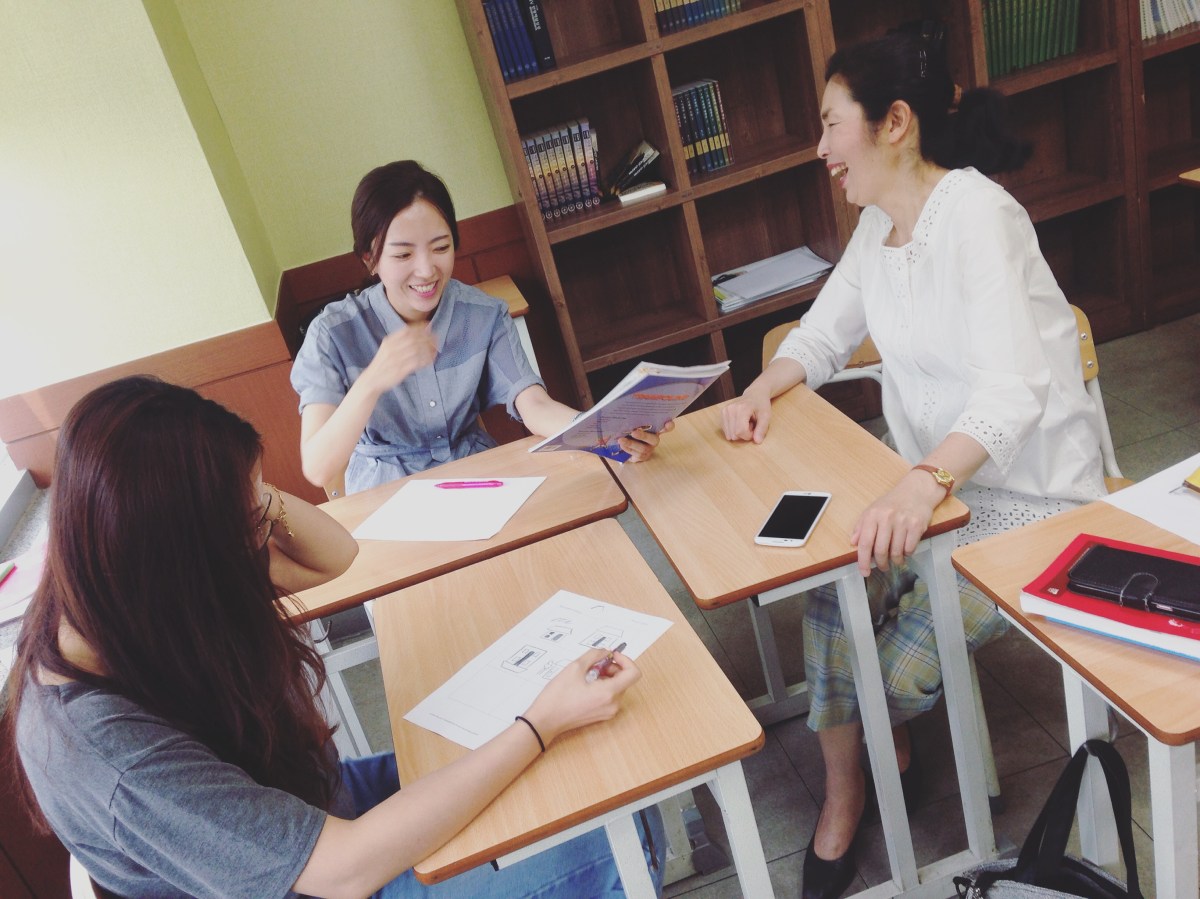
It’s been about ten months since I began teaching English here in South Korea. The experience in the classroom was initially very intimidating. Although I was trained, I was nervous and somewhat dreading that first term of teaching. Eventually, I got over the nervousness and improved on my teaching style. This is thanks to my coworkers and students who were willing to teach me and were very patient with me.
If you are interested in teaching English here in South Korea or just simply need another source of inspiration when it comes to teaching, here are some tips from me to you:
- Understand the basics of the Korean language. Although you can get away with not speaking the language when teaching them English, I found it much more effective to be aware of the basics of the Hangul pronunciation and sentence structure. Being aware of that allowed me to better help my students pronounce their words much better than when I didn’t know. I am able to also explain to them that there is a difference between “fun” and “funny” (they use the same word in their language. My students tended to confuse them both often).
- Understand how sounds are being formed in your mouth. If you are able to show and explain how to do this right, it makes pronunciation much more easier for them. for example, in Korean, they have no differentiation between “R” and “L” as in their alphabet, it is represented by the same symbol. Note that for the “L” pronunciation, the tip of the tongue toes to the roof of the mouth, whereas for “R,” the tongue touches nothing.
- Grammar matters. Know the basics so you can explain well. Plus, students tend to hunt you down with a grammar question.
- Don’t be afraid to correct your students when they speak. Even if they’re mid-sentence. Be proactive in their learning so it would let them know that they are being looked after.
- Be patient. Not only with your students but also with yourself. You’ll learn the ropes of teaching soon enough as you continue to teach. But if you’ve already been teaching for a while, remember to be patient and forgiving with yourself. Not only will your students appreciate you for your patience, you will also appreciate yourself for doing so.
- Be brave. Don’t be scared when your students speak in Korean and you have no idea what they’re saying. They’re just helping each other clarify things – especially when you cannot.
- Smile. Show them that you’re enjoying spending time with the class and the work you’re doing. If you look like you’re enjoying yourself, your students can relax and enjoy too. (They are nervous themselves!).
- Pray for them and their success. And let them know that you’re doing so!
Hope these tips are helpful to you! Have something to share? Let me know!
– A

 I never saw of myself as an educator. I never imagined finding myself teaching English, especially in another country. Luckily, by divine providence and by fate, I’m surrounded by some amazing people whom I am able to learn from. These past two terms (four months) are memorable.

 Places And Spaces To Be In